
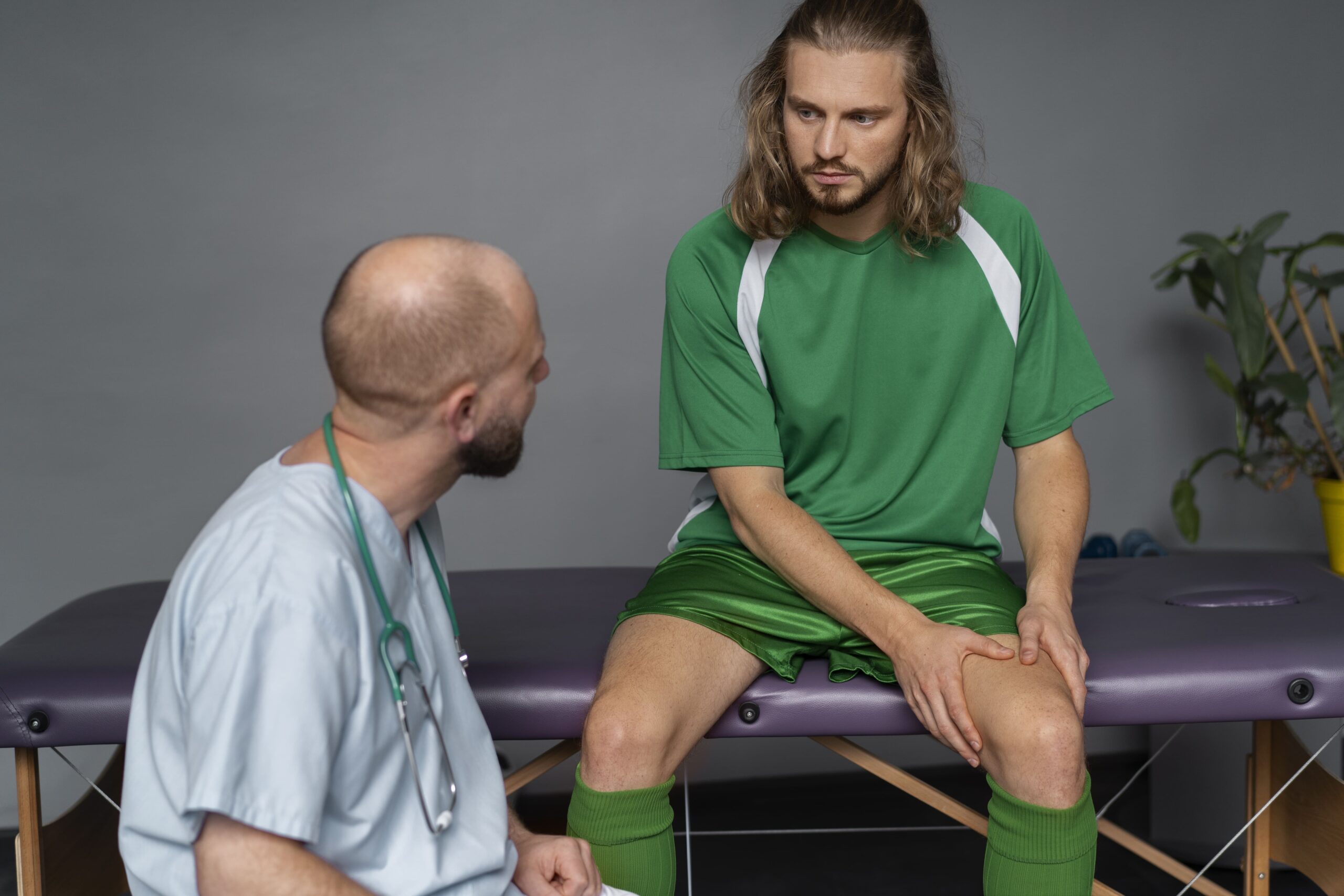
Sprains and strains are common injuries that affect muscles, ligaments, and joints. They can happen during sports, work, or even daily activities. While minor sprains may heal on their own, more severe cases need professional attention. Early care can prevent long-term pain, stiffness, or reduced mobility.
Understanding Sprains and Strains
A sprain occurs when a ligament, the tissue connecting bones, is stretched or torn. Common areas include ankles, knees, and wrists. Symptoms include swelling, bruising, and difficulty moving the joint.
A strain happens when a muscle or tendon is stretched or torn. This often affects the back, hamstrings, or shoulders. Pain, muscle spasms, and weakness are common signs.
Although both injuries may seem similar, the treatment can differ. Correct diagnosis ensures proper care and a faster recovery.
When to Seek Physiotherapy
Not every sprain or strain requires a physiotherapist. Minor injuries may improve with rest, ice, compression, and elevation (RICE). However, professional care is needed if you notice:
- Severe pain or swelling
- Inability to move the joint or muscle
- Persistent discomfort after a few days
- Recurrent injuries in the same area
- Numbness or tingling in the affected limb
A physiotherapist can assess the injury and create a plan to restore strength and mobility. Early intervention often leads to faster recovery and prevents future injuries.
How Physiotherapy Helps
Physiotherapy helps in several ways:
- Pain Management: Techniques like manual therapy, massage, and targeted exercises reduce pain.
- Restore Movement: Stretching and strengthening exercises improve flexibility and function.
- Prevent Re-Injury: Rehabilitation focuses on improving joint stability and muscle strength.
- Personalized Care: Each program is tailored to the patient’s injury and activity level.
For some patients, pelvic floor physiotherapy may be recommended. Injuries affecting the lower back, hips, or pelvis can benefit from targeted pelvic floor exercises to restore core stability and prevent secondary problems.
Common Treatment Approaches
Physiotherapy treatments for sprains and strains include:
- Manual Therapy: Hands-on techniques to mobilize joints and relax muscles.
- Exercise Therapy: Stretching and strengthening exercises specific to the injured area.
- Electrotherapy: Using low-level electrical stimulation to reduce pain and swelling.
- Education: Guidance on posture, movement, and activity modification to avoid re-injury.
Patients often combine these methods with home exercises for the best results. Consistency is key to achieving full recovery.
Recovery Timeline
Recovery depends on the severity of the injury:
- Mild Sprain/Strain: Usually 1–2 weeks with proper care.
- Moderate Injury: 3–6 weeks with physiotherapy and home exercises.
- Severe Injury: 2–3 months or longer, sometimes requiring additional medical care.
Early physiotherapy can shorten recovery time and reduce the risk of chronic pain or limited mobility.
Signs of Complications
Seek immediate medical attention if you notice:
- Severe swelling that does not improve
- Joint instability or a feeling that it may “give way”
- Numbness, tingling, or weakness
- Persistent pain after weeks of rest and exercise
These signs may indicate ligament tears, fractures, or nerve involvement, which require prompt professional care.
Choosing the Right Physiotherapy Clinic
Selecting a qualified clinic is crucial. A good physiotherapy clinic in Oakville will:
- Provide thorough assessments for sprains and strains
- Offer tailored exercise and rehabilitation programs
- Monitor progress and adjust treatments as needed
- Include options like physiotherapy oakville for convenience and accessibility
Look for licensed professionals with experience in musculoskeletal injuries. Reading patient reviews and checking clinic credentials can also help.
Preventing Future Sprains and Strains
Once healed, prevention is essential:
- Warm up before exercise or physical activity
- Practice proper lifting and bending techniques
- Strengthen muscles around vulnerable joints
- Use supportive footwear for sports or daily activity
- Follow physiotherapist recommendations for home exercises
Preventive care reduces the risk of reinjury and keeps joints and muscles healthy over time.
Takeaway
Sprains and strains are common, but proper care can prevent long-term problems. Physiotherapy helps relieve pain, restore movement, and strengthen muscles to prevent future injuries. Clinics offering physiotherapy oakville services, including specialized pelvic floor physiotherapy, provide personalized care to help patients recover safely.
If you experience persistent pain, swelling, or limited mobility after a sprain or strain, seeking a qualified physiotherapist is the best step toward full recovery.